
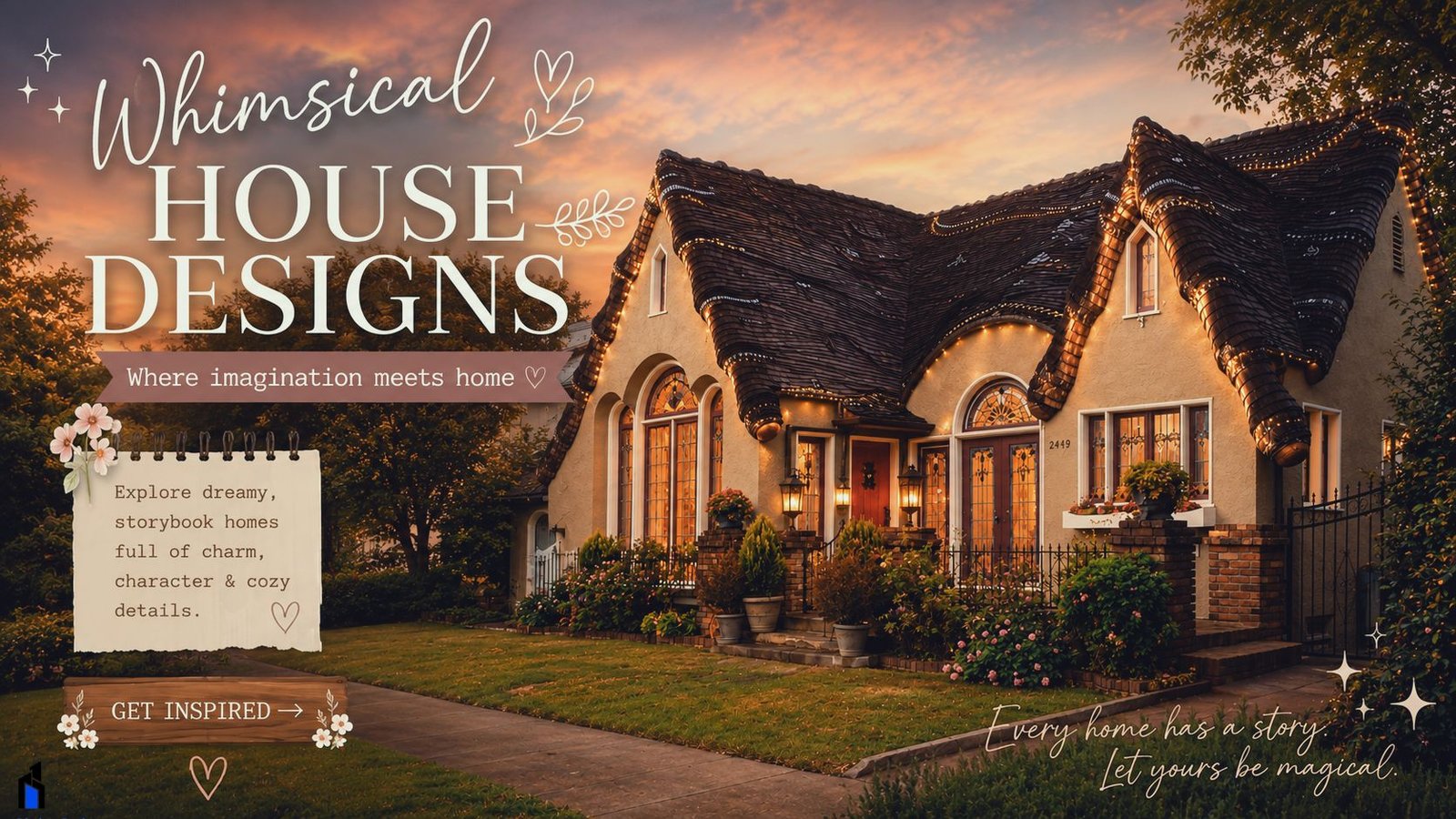
A home can be practical and comfortable while still having a sense of imagination. Whimsical house designs bring this quality into residential spaces through unusual architectural details, expressive colours, creative interiors, and nature-inspired surroundings.
The idea does not require an elaborate fairytale-style property. Even a simple house can develop a playful character through an arched entrance, an unusual window, a colourful door, distinctive furniture, or a thoughtfully designed garden.
For homeowners who want their surroundings to feel personal rather than ordinary, whimsical design offers plenty of possibilities. The key is to introduce creative elements without compromising the comfort and usability of the home.
What Makes a House Whimsical?
Whimsical design is based on individuality. Instead of following a completely conventional appearance, it introduces unexpected shapes, colours, textures, and decorative features.
Some elements that can contribute to this style include:
- Arched or curved entrances
- Unusual window shapes
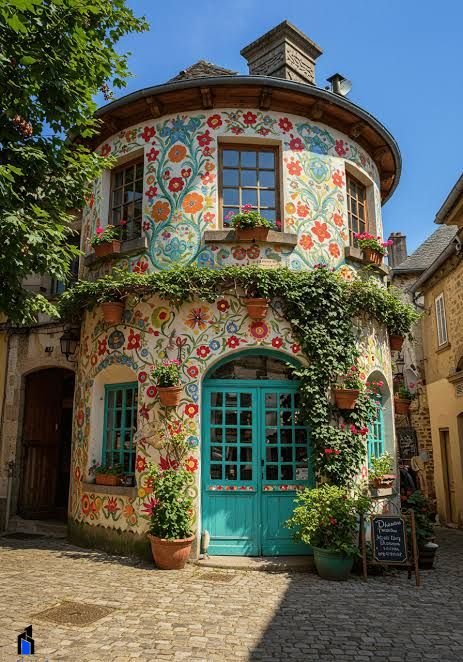
- Bright or pastel-coloured doors
- Curved walls and passageways
- Decorative balconies
- Landscaped pathways
- Distinctive lighting
- Playful wallpaper
- Characterful furniture
- Handmade decorative pieces
However, adding unusual features does not mean every part of the house needs to be dramatic. A few carefully selected details can be enough to give a property its own identity.
Function should also remain important. Too many patterns, colours, or competing materials may make an interior feel visually crowded. A successful design combines creativity with spaces that remain comfortable for everyday use.
1. Give the Exterior a Storybook Character
The outside of a house offers one of the easiest opportunities to introduce a whimsical appearance.
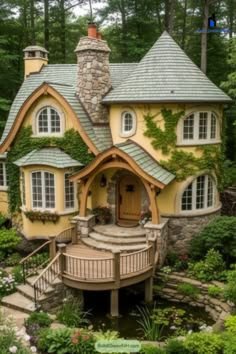
A storybook-inspired exterior can combine sloping roofs, textured surfaces, distinctive windows, and landscaped paths. Natural stone, exposed brick, wooden details, and textured finishes can help create a warm appearance.
The entrance can become another focal point. A curved pathway leading towards the front door can create a more interesting arrival experience. Plants placed along the route, combined with subtle garden lighting, can make the entrance feel welcoming.
Uneven rooflines, stone façades, and unusual architectural forms have traditionally been associated with fantasy-like residential architecture. These ideas can be adapted without making the entire house look overly decorative.
2. Use Colour to Add Character
Colour can dramatically influence how a home feels.
Rather than restricting the entire property to neutral shades, homeowners can introduce selected colours through doors, window frames, furniture, walls, or decorative accessories.
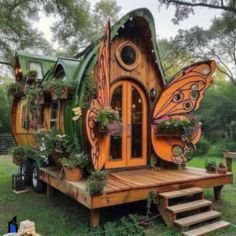
Soft pink, sage green, powder blue, terracotta, yellow, and lavender are some options that can create a playful atmosphere.
There is no need to use bright colours throughout the entire house. A single colourful entrance door or feature wall can become an eye-catching detail.
The same approach can continue indoors. Cushions, rugs, curtains, artwork, and furniture can introduce colour without overwhelming the room.
A coordinated palette is important. Colours should work together so that the finished space feels expressive rather than cluttered.
3. Bring Soft Shapes Into the Architecture
Many contemporary homes rely heavily on straight lines and sharp edges. Introducing rounded forms can create a softer and more distinctive appearance.
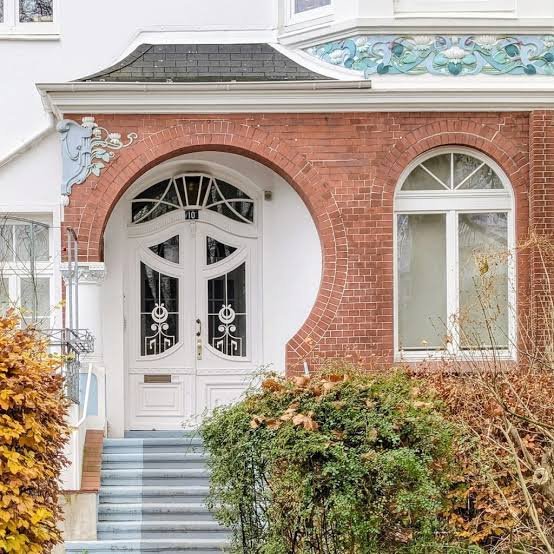
An arched doorway is one simple option. Rounded windows, curved walls, and gently shaped passageways can also add visual interest.
These details do not belong exclusively to traditional architecture. They can also work within contemporary homes when used selectively.
For example, an arch between the living and dining areas can create a subtle architectural feature. Similar shapes can then appear through rounded mirrors, curved furniture, or other interior details, creating visual continuity.
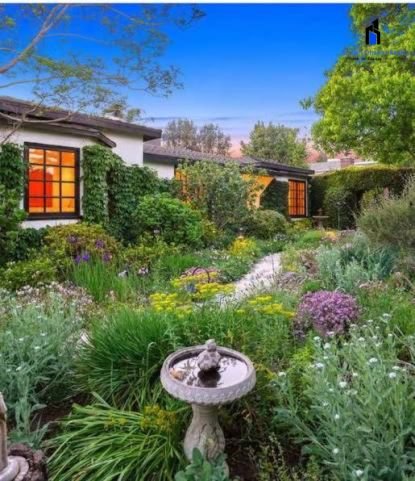
4. Turn the Garden Into Part of the Design
The whimsical character of a home does not have to stop at the front door. Outdoor spaces can become an important extension of the overall design.
A garden can include elements such as:
- Flowering plants
- Curved pathways
- Stone stepping paths
- Small seating areas
- Garden lighting
- Pergolas
- Decorative planters
- Small water features
These additions can make the outdoor area feel more inviting while strengthening the connection between the house and nature.
Larger plots offer additional opportunities. A homeowner could create a private garden corner, an outdoor dining space, or a quiet seating area surrounded by greenery.
Instead of treating landscaping as an afterthought, it can become one of the features that gives the property its distinctive personality.
5. Let Personal Interests Influence the Space
A memorable home usually reflects the people who live in it.
Rather than copying a complete design from social media, homeowners can identify the things they genuinely enjoy and incorporate them into their surroundings.
Someone who enjoys reading could create a dedicated home library. A gardening enthusiast might create a plant-filled outdoor space. Families with children could introduce areas that encourage creativity and play.
Art, travel, books, flowers, vintage furniture, and nature can all provide inspiration.
This personal approach is what separates a genuinely individual home from one that simply follows a trend. The goal is not to make the property look unusual for the sake of appearance. It is to create spaces that feel connected to the homeowner’s interests and lifestyle.
Combining Creative Homes With Planned Community Living
The setting around a home can influence the overall living experience. A personalised house can become even more appealing when it is located within a thoughtfully planned community.
Modern township developments can bring together residential areas, roads, landscaped spaces, open areas, and other community-oriented features. This can provide residents with an organised environment while still leaving room for individual home design.
For buyers considering plotted developments, this combination can be useful. The surrounding development provides a planned setting, while the plot gives homeowners an opportunity to create a residence suited to their preferences.
Suman Dhabas Realty Pvt. Ltd. is described on its website as a new-age real estate venture supported by the construction experience of SDCPL. Its experience covers residential and commercial projects across Mumbai, Goa, and Jaipur. Its portfolio includes plotted developments, luxury villas, farmhouses, resorts, and open land projects.
The company also follows an in-house approach involving areas such as land acquisition, planning, sales, construction, and interiors. Such an approach is intended to provide greater control across different stages of development.
For someone considering a plotted development or township, a planned environment combined with the freedom to personalise a future home can be an appealing option.
How to Keep Whimsical Design Balanced
Creative design works best when there is some restraint.
Instead of introducing several unusual features at once, begin with one or two elements that can become the main focus. This could be an arched entrance, a colourful kitchen, a curved staircase, or a landscaped garden.
The remaining design can then complement those features.
Larger areas can remain relatively simple while colours, patterns, and unusual shapes appear as accents. This creates a visual balance and prevents the home from feeling excessively busy.
Comfort should also remain a priority. A house needs to support everyday activities, storage, movement, and relaxation. Decorative elements should enhance these functions rather than interfere with them.
Final Thoughts
Whimsical house designs provide homeowners with an opportunity to move beyond conventional residential styles. Small architectural details, expressive colours, distinctive interiors, and carefully planned gardens can all give a property more character.
The concept can be as subtle or creative as the homeowner prefers. A curved doorway may be enough for one person, while another may choose a colourful interior combined with a garden filled with plants and decorative features.
Ultimately, the strongest approach is to combine imagination with practicality. Whether the property is a villa, a home built on a residential plot, or part of a planned township, thoughtful design can transform everyday spaces into a home that feels personal, comfortable, and unique.



Pingback: Township vs Independent House: Which Is Better? - Suman Dhabas Realty
Pingback: Traditional Indian House Design: Ideas & Features - Suman Dhabas Realty
Pingback: Modern Door Locks: Types, Features & Benefits for Homes - Suman Dhabas Realty
Pingback: Stickers for Wall Bedroom: Easy Ideas for a Stylish Space - Suman Dhabas Realty