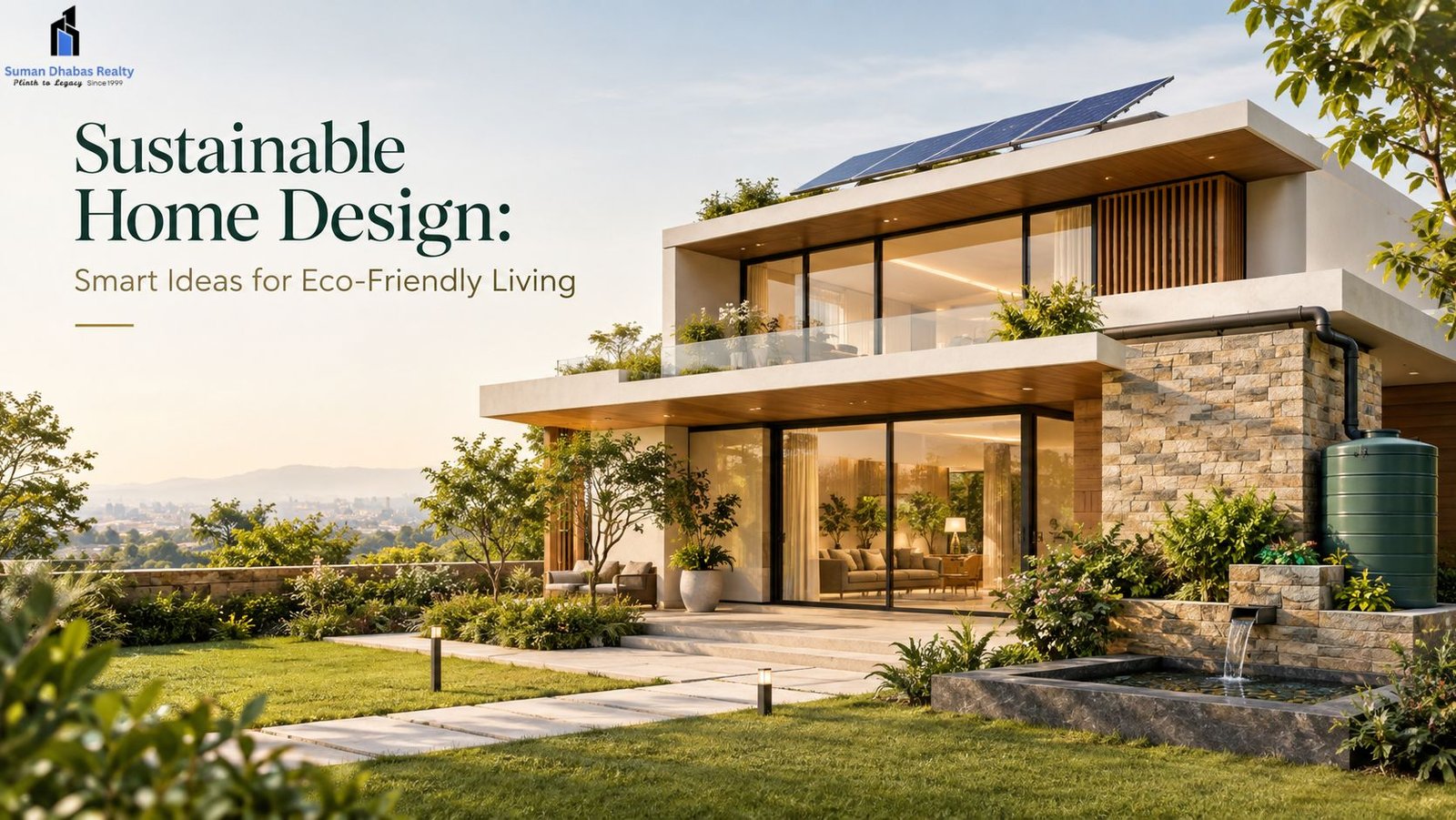
Sustainable Home Design focuses on creating comfortable homes while reducing energy use, water waste, and environmental impact. It does not mean giving up style or modern comfort. Instead, it combines thoughtful planning, efficient materials, natural resources, and practical technology.
Today, homeowners are paying more attention to how their homes affect both their lifestyle and the environment. A well-planned sustainable home can also reduce running costs over time. Therefore, sustainability is becoming an important part of modern residential design.
What Is Sustainable Home Design?
Sustainable Home Design means planning and building a house with long-term environmental and practical goals in mind. It considers everything from the home’s orientation and construction materials to lighting, ventilation, water use, and energy consumption.
For example, a house that receives plenty of daylight may need less artificial lighting during the day. Similarly, good cross-ventilation can reduce dependence on air conditioning during suitable weather.
The goal is simple: use resources efficiently while creating a healthy and comfortable living space.
Key Features of Sustainable Home Design
Several elements can make a home more environmentally responsible. They can also improve everyday comfort.
1. Maximise Natural Light
Large, well-positioned windows can bring daylight deep into living spaces. This reduces the need for artificial lighting during the day.
However, window placement matters. Excessive direct sunlight can increase indoor temperatures. Therefore, shading devices, balconies, trees, and suitable glazing can help control heat.
2. Improve Natural Ventilation
Good airflow can make a home feel cooler and fresher. Opposite windows or openings can support cross-ventilation and allow warm indoor air to escape.
Designers can also consider the local climate before deciding the size and position of windows. This makes ventilation more effective and reduces unnecessary cooling needs.
3. Choose Energy-Efficient Systems
Energy-efficient LED lighting, appliances, fans, air conditioners, and water heaters can lower electricity consumption. Smart controls can further improve efficiency by allowing homeowners to manage systems according to their actual needs.
Solar panels are another popular option. Depending on the home’s location and energy requirements, solar power can reduce dependence on conventional electricity.
4. Use Sustainable Materials
Material selection plays an important role in sustainable construction. Locally available materials can reduce transportation requirements. Recycled, reclaimed, renewable, and durable materials can also support responsible construction.
For example, natural stone, responsibly sourced wood, recycled metal, and low-emission paints can be considered where suitable.
Most importantly, homeowners should look beyond appearance. A durable material that lasts for decades may offer greater long-term value than one that requires frequent replacement.
Sustainable Home Design for Water Conservation
Water efficiency is another important part of Sustainable Home Design. Simple planning decisions can reduce unnecessary water consumption.
Low-flow taps and showers can help lower daily usage. Dual-flush toilets can also reduce water consumption. Additionally, rainwater harvesting can collect rainwater for suitable non-potable uses.
A landscape plan can make an equally significant difference. Native or climate-appropriate plants generally require less water than plants that need intensive irrigation.
Create a Greener Outdoor Space
Sustainability should not stop at the front door. Gardens, balconies, terraces, and other outdoor areas can contribute to a home’s environmental performance.
Shade trees can reduce heat around the property. Vegetation can also make outdoor spaces more pleasant. Meanwhile, permeable surfaces can help rainwater enter the ground instead of creating excessive surface runoff.
A small rooftop garden or kitchen garden can add another useful layer. It can provide greenery while making an otherwise unused space more functional.
Sustainable Home Design and Smart Planning
Sustainability begins before construction. The plot’s location, orientation, surrounding development, road access, climate, and available infrastructure can all influence the final design.
This is particularly relevant when planning a home in a developing residential area. For instance, projects around Jaipur and emerging destinations such as Khatu Shyam can benefit from thoughtful site planning that considers future growth as well as present-day comfort.
For buyers exploring residential opportunities, Suman Dhabas Realty Pvt Ltd is associated with township development where location, connectivity, and residential planning can be considered together. Such factors can help homeowners think beyond the building itself and consider how the surrounding neighbourhood may function in the long term.
How to Start a Sustainable Home
You do not need to install every green technology at once. Start with practical improvements that suit your budget and location.
First, study the site’s sunlight and wind direction. Next, plan windows and shading accordingly. Then, select durable materials and energy-efficient appliances.
You can also include rainwater harvesting, efficient plumbing fixtures, solar power, and native landscaping as your budget allows.
Most importantly, think about the entire lifecycle of the home. A sustainable house should remain comfortable, efficient, and practical for many years.
Benefits of Sustainable Home Design
The advantages go beyond environmental responsibility.
- Lower energy consumption: Efficient systems can reduce electricity use.
- Better indoor comfort: Natural ventilation and daylight can improve living spaces.
- Reduced water waste: Efficient fixtures and rainwater systems support conservation.
- Lower maintenance: Durable materials can reduce frequent repairs and replacements.
- Long-term value: Efficient homes may appeal to future buyers.
- Healthier surroundings: Better ventilation, daylight, and greener spaces can create a more pleasant environment.
Conclusion
Sustainable Home Design is not simply about adding solar panels or choosing eco-friendly products. It is about making better decisions at every stage, from selecting the site to planning rooms, choosing materials, managing energy, and designing outdoor spaces.
A sustainable home can be modern, attractive, comfortable, and practical at the same time. With careful planning, even simple changes can reduce resource consumption and improve long-term living quality.
As residential areas continue to develop, sustainable thinking can also help homeowners create properties that remain useful and efficient for years to come.