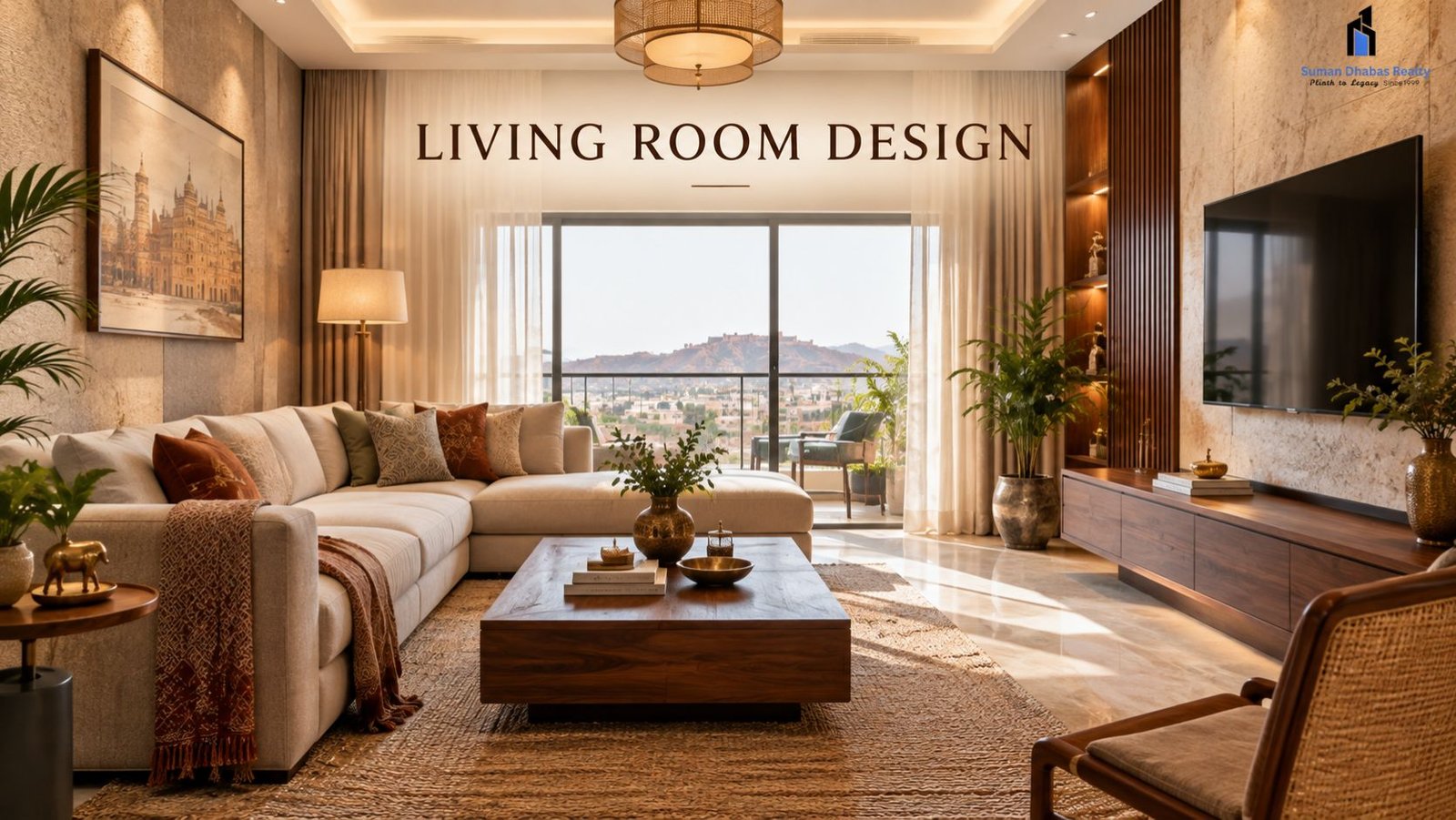
A well-planned Living Room Design can make a home feel comfortable, welcoming, and visually balanced. The living room is often where families relax, entertain guests, watch television, or spend time together. Therefore, its design needs to look attractive while also supporting everyday activities.
Modern interiors are moving beyond purely decorative spaces. Homeowners now want practical furniture, better lighting, natural textures, and layouts that make the room easier to use.
The good news is that you do not need a huge room to create an impressive interior. With the right planning, even a compact living area can feel spacious and sophisticated.
What Makes a Good Living Room Design?
A successful Living Room Design should balance three things: comfort, functionality, and visual appeal.
Start by understanding how the room will be used. A family that regularly hosts guests may need generous seating. On the other hand, a smaller household may prefer a compact sofa, flexible chairs, and more open floor space.
Furniture should also allow people to move around comfortably. Avoid filling every corner simply because there is available space. Instead, leave enough room between major pieces so the layout feels natural.
Choose the Right Furniture
Furniture usually becomes the foundation of the living room. The sofa, in particular, can influence the entire appearance of the space.
Before buying one, measure the room carefully. Consider the sofa’s width, depth, height, and distance from other furniture.
For smaller rooms, compact sofas or carefully sized L-shaped designs can work well. In larger rooms, sectional seating can create separate zones without making the room feel disconnected.
A coffee table should also match the seating arrangement. Choose a size that allows easy movement around it. Additionally, multifunctional furniture can provide extra storage without taking up unnecessary floor space.
Use a Balanced Colour Palette
Colour can completely change how a living room feels.
Soft shades such as beige, cream, warm white, taupe, and light grey can create an airy appearance. Meanwhile, deeper shades can add character through an accent wall, cushions, curtains, or artwork.
However, avoid using too many competing colours. A simple base palette with one or two stronger accents usually creates a more cohesive result.
For an Indian home, you can also introduce subtle traditional elements through textiles, artwork, brass details, wooden furniture, or handcrafted décor. Contemporary interiors can blend these details without becoming visually heavy.
Living Room Design With Better Lighting
Lighting is one of the most important parts of Living Room Design. A single ceiling light may illuminate the room, but layered lighting can create much more depth.
Use a combination of:
- Ambient ceiling lighting
- Floor or table lamps
- Wall lights
- Pendant lights
- Accent lighting
- Natural daylight
During the day, make the most of windows and balconies. Natural light can make the room feel brighter and more open.
In the evening, warm accent lights can create a relaxed atmosphere. Therefore, lighting should be planned according to both daytime and nighttime use.
Create a Practical TV Wall
The TV wall often becomes a major visual element. Instead of simply mounting a television on a blank wall, consider creating a structured media zone.
A floating TV unit can provide storage while keeping the floor visually open. Wooden panels, textured surfaces, stone finishes, or subtle lighting can add depth.
However, avoid excessive decoration. A clean TV wall can look more sophisticated than one filled with shelves and accessories.
Add Texture Through Décor
A beautiful living room does not need expensive décor. Instead, focus on texture and proportion.
A rug can define the seating area. Cushions can introduce colour. Curtains can soften the room, while plants can bring a natural element indoors.
Wood, cane, jute, linen, stone, and ceramic accessories can also create visual warmth. Current Indian interiors increasingly combine natural materials with contemporary furniture for a more relaxed appearance.
Living Room Design for Small Spaces
Small living rooms require careful planning. Large furniture can quickly make the space feel crowded.
Choose furniture that fits the room rather than simply choosing what looks attractive in a showroom. Wall-mounted storage can save floor space. Similarly, nesting tables and compact seating can make the room more flexible.
Mirrors can also help reflect light and create a greater sense of openness. However, use them thoughtfully rather than covering entire walls.
Most importantly, keep clutter under control. A few well-selected decorative pieces can have more impact than dozens of small accessories.
Add a Personal Touch
A living room should not look like a furniture showroom. Personal details give the space character.
Family photographs, artwork, books, travel souvenirs, traditional crafts, or a favourite collection can make the room feel more connected to the people who live there.
You can also combine modern furniture with regional design influences. For example, a contemporary sofa can work beautifully with a traditional wooden table or handcrafted textile.
Living Room Design and New Homes
Interior planning becomes easier when the home’s basic layout already supports good movement, natural light, ventilation, and furniture placement.
This is one reason residential planning matters when choosing a new property. In developing township projects, buyers can consider not only the plot or house itself but also the broader layout and surrounding environment.
For instance, Suman Dhabas Realty Pvt Ltd is associated with township development in the Khatu Shyam area. A planned residential setting can give homeowners a foundation for creating functional spaces that suit modern lifestyles.
For buyers considering such properties, factors such as plot dimensions, road layout, connectivity, utilities, and future development should be reviewed alongside interior possibilities.
Common Living Room Design Mistakes
Even attractive ideas can fail when they are poorly planned. Avoid these common mistakes:
- Buying furniture without measuring the room
- Using too many colours
- Blocking windows with large furniture
- Installing only one type of lighting
- Filling every wall with décor
- Ignoring storage requirements
- Choosing style over everyday comfort
Instead, plan the room around how you actually live. A beautiful space should still feel easy to use.
Conclusion
Good Living Room Design is not about following every interior trend. It is about creating a space that looks cohesive, feels comfortable, and works for everyday life.
Start with the layout and furniture. Then consider colours, lighting, storage, textures, and décor. Finally, add personal elements that make the room feel like your own.
Whether you are designing a compact apartment or a spacious independent house, thoughtful planning can transform the living room into one of the most inviting areas of your home.