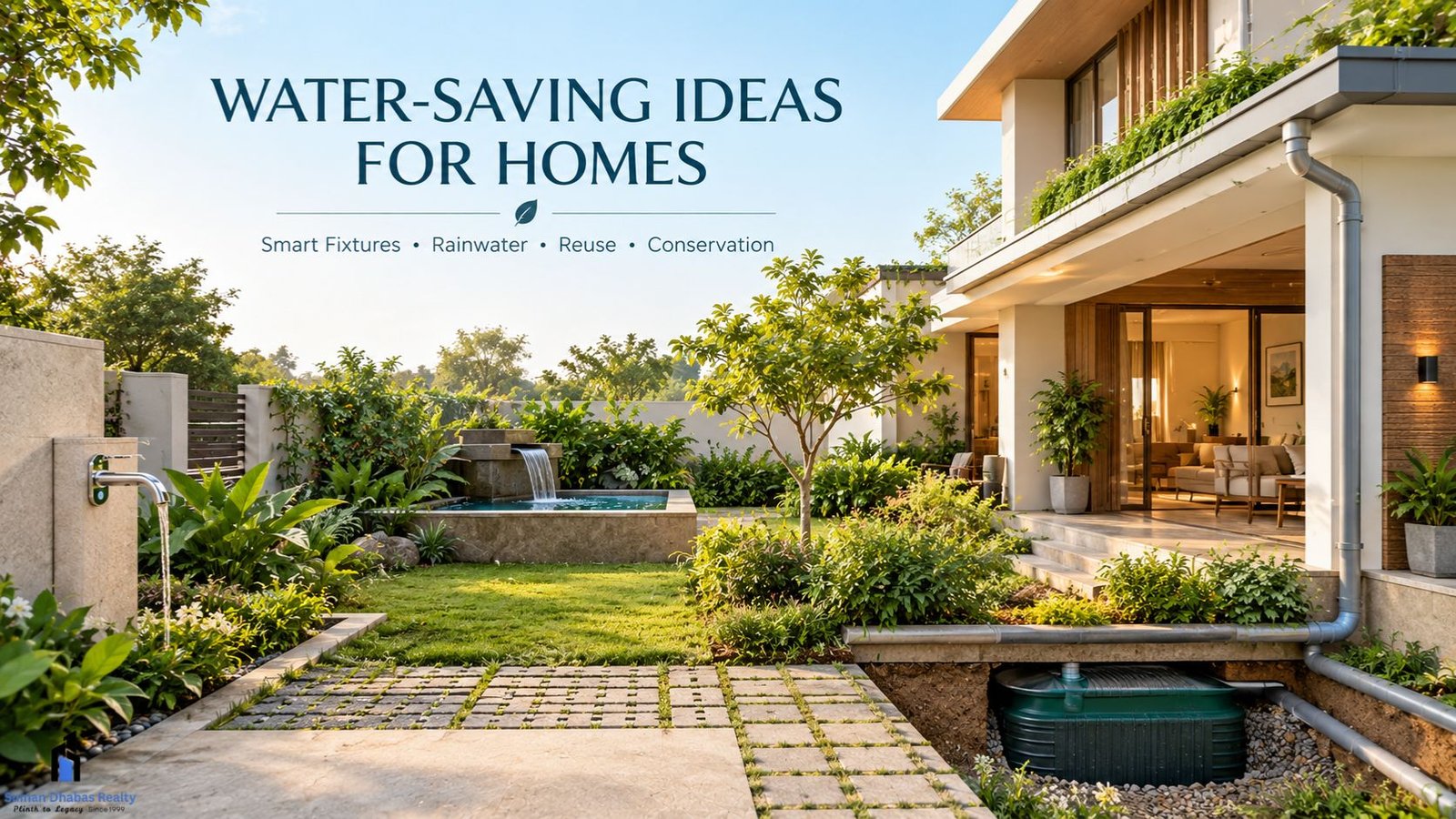
Water is one of the most important resources in any home. Yet, daily activities can lead to significant water wastage without proper planning. Water-Saving Ideas for Homes can help families reduce unnecessary consumption while maintaining comfort and convenience. Simple changes, such as fixing leaks, using efficient fixtures, collecting rainwater, and changing everyday habits, can make a noticeable difference over time.
Why Water Conservation Matters at Home
Households use water for drinking, cooking, bathing, cleaning, gardening, and many other activities. Therefore, even small amounts of daily wastage can add up quickly.
Water conservation also supports more responsible use of local resources. In areas facing water shortages or irregular rainfall, efficient consumption becomes even more important. Moreover, saving water can reduce the energy needed for pumping, heating, and treating water.
A water-efficient home does not need to feel restrictive. Instead, smart planning allows residents to use water comfortably while avoiding unnecessary waste.
Water-Saving Ideas for Homes That Are Easy to Follow
You do not need expensive technology to start saving water. Several simple improvements can fit easily into everyday routines.
Fix Leaks Without Delay
A dripping tap or leaking pipe may seem like a minor issue. However, continuous leaks can waste a surprising amount of water over time.
Check taps, shower fittings, toilet tanks, outdoor pipes, and kitchen connections regularly. Replace worn washers and damaged fittings as soon as you notice a problem.
Turn Off Taps When Not Needed
Leaving a tap running while brushing, shaving, or washing dishes can waste water. Turn it off whenever you do not need a continuous flow.
This simple habit costs nothing. Still, it can become one of the most effective Water-Saving Ideas for Homes when everyone in the household follows it consistently.
Choose Water-Efficient Fixtures
Modern homes can reduce water use by choosing efficient bathroom and kitchen fixtures. Low-flow showerheads, aerator taps, and dual-flush toilets can help control consumption without compromising basic convenience.
Before replacing fixtures, check their specifications and choose products suitable for your home’s plumbing system.
Smart Kitchen Water-Saving Habits
The kitchen provides several opportunities to reduce water consumption. Instead of washing vegetables under continuously running water, use a bowl or container. You can then reuse suitable leftover water for plants.
When washing dishes, avoid letting the tap run throughout the process. Scrape food waste first, then wash efficiently.
Dishwashers can also help when used correctly. Run the machine with a suitable load instead of starting it for only a few dishes.
Save Water in the Bathroom
Bathrooms often account for a significant share of household water use. Consequently, small changes here can create meaningful savings.
Take shorter showers and avoid unnecessary water flow. Check toilets for silent leaks as well. A simple way to test a toilet tank involves adding a small amount of food colouring to the tank and checking whether colour appears in the bowl without flushing.
Also, consider dual-flush systems where suitable. These systems allow users to select different flush volumes according to their needs.
Water-Saving Ideas for Homes and Gardening
Gardens can require substantial amounts of water, particularly during hot weather. However, better planning can reduce consumption.
Water plants during the early morning or evening. During these periods, lower evaporation can help more water reach the soil.
Use mulch around plants to retain soil moisture. Select native or climate-suitable plants that can handle local conditions. Drip irrigation can also deliver water directly near plant roots instead of spraying large areas.
Collecting rainwater provides another useful option. Stored rainwater can support gardening and other suitable non-potable uses, subject to local rules and safe storage practices.
Use Rainwater Harvesting
Rainwater harvesting can complement other Water-Saving Ideas for Homes. A properly planned system collects rainwater from suitable roof surfaces and directs it toward storage or recharge systems.
The system should include appropriate filtration, drainage, and maintenance. Homeowners should also consider local regulations and groundwater conditions before installing a recharge structure.
For new homes, planning rainwater management during the design stage can make installation easier. It can also help integrate drainage, landscaping, and outdoor spaces more effectively.
Reuse Water Where Practical
Some household water can have a second use. For example, suitable water left after washing vegetables can sometimes help water plants.
However, do not reuse water containing harsh chemicals, oils, or cleaning agents for gardening. Always consider the quality of the water and its intended use first.
Greywater systems can provide more structured reuse in certain homes. These systems require proper design because untreated wastewater can create hygiene and plumbing problems.
Smart Technology for Water Management
Technology can make water conservation easier. Smart irrigation controllers can adjust watering schedules based on weather and soil conditions. Leak detection devices can also alert homeowners when they notice unusual water flow.
Water meters provide another useful tool. Regularly checking your meter can help identify sudden increases in consumption.
Still, technology works best when combined with responsible habits. A smart device cannot prevent waste if residents ignore leaks or leave taps running.
Water Conservation in Planned Township Living
Water management also matters beyond individual houses. Well-planned residential communities can incorporate efficient drainage, landscaping, rainwater management, and responsible infrastructure from the beginning.
This approach fits the broader idea of sustainable township development. Suman Dhabas Realty Pvt Ltd is involved in residential and township development around the Jaipur and Khatu Shyam region, where planning, open spaces, and infrastructure form part of the wider residential environment. Thoughtful water management can further support comfortable living while reducing pressure on local resources.
Common Water-Wasting Habits to Avoid
Some habits waste water without people noticing. These include:
- Leaving taps running unnecessarily
- Ignoring dripping faucets
- Using excessive water for car washing
- Overwatering lawns
- Washing driveways with a running hose
- Running washing machines with very small loads
- Ignoring leaking toilets
- Using drinking-quality water for tasks that do not require it
Replacing these habits with simple alternatives can make conservation much easier.
Final Thoughts
Water-Saving Ideas for Homes do not always require major renovations or expensive systems. Small changes in bathrooms, kitchens, gardens, and daily routines can reduce unnecessary consumption.
Efficient fixtures, leak checks, rainwater harvesting, water reuse, and smart gardening can all contribute to a more responsible home. Most importantly, conservation works best when everyone participates. With consistent habits and thoughtful planning, homeowners can save water while creating a more sustainable and efficient living environment.